 The
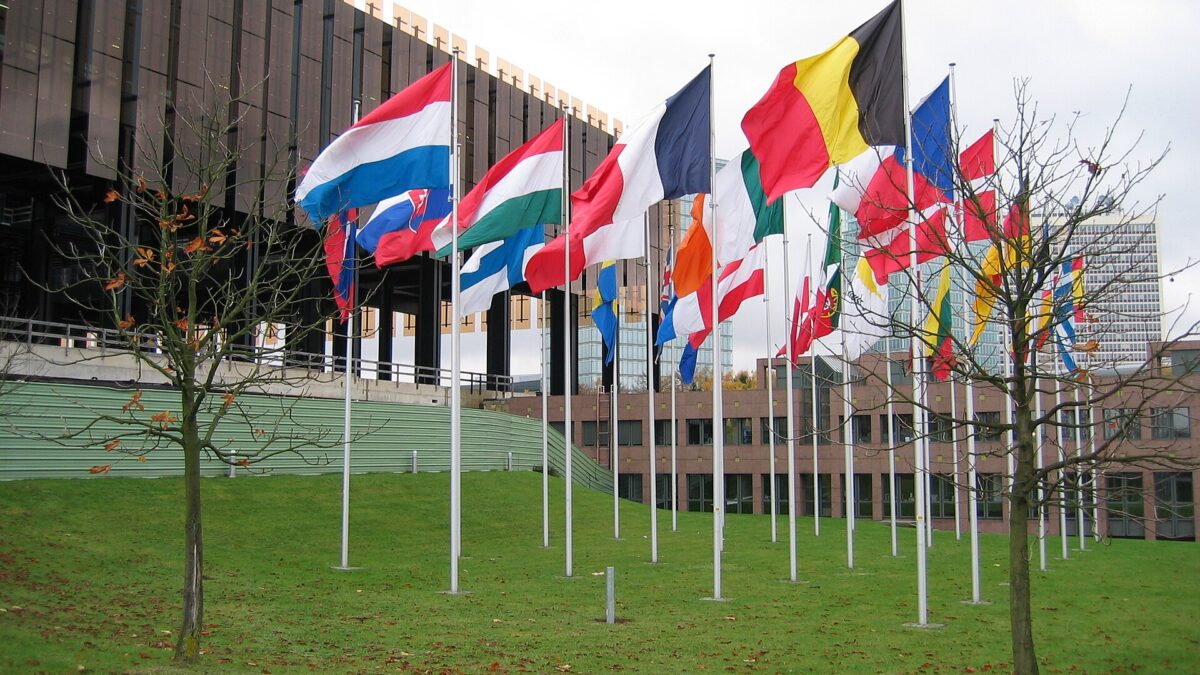
The European Court of Justice, the highest court of the European Union, has ruled that CBD-infused foods cannot be labelled as organic, because the bloc has not authorised the sale of CBD products. The decision was first reported by the cannabis industry outlet Ganjapreneur, which cited the German broadcaster DW.
What the court decided
CBD is classed as a "novel food" in the EU. That means a product must pass a safety assessment and receive official authorisation before it can be marketed. According to the report, no such authorisation has been granted for CBD, even though edibles, capsules and oils are widely sold as wellness products across Europe.
The court reasoned that allowing an organic label on these products could mislead consumers into thinking they had been authorised. The case reached the court via a referral from France's Council of State, where a hemp business association had challenged restrictions on organic labelling.
Wider EU hemp rules
Ganjapreneur also reported that the EU Council voted last month in favour of a whole-plant hemp framework. The aim is to bring more consistency to hemp regulation, which currently differs between member states. The report did not give further detail on the framework or when it might take effect.
Why it matters in the UK
The UK is no longer part of the EU and sets its own rules, but its approach to CBD food products is similar in principle. CBD products can be sold in the UK subject to the Food Standards Agency's novel food rules, and there are strict limits on controlled cannabinoids such as THC. UK businesses that sell CBD foods into EU markets would need to take account of the labelling ruling.
The ruling concerns labelling rather than whether CBD products can be sold, and the reports did not say how it would be applied in individual member states.



Join the conversation
Be the first to have your say.
Should CBD food and drink products be allowed to carry an organic label if they meet organic farming standards? Why or why not?