 The
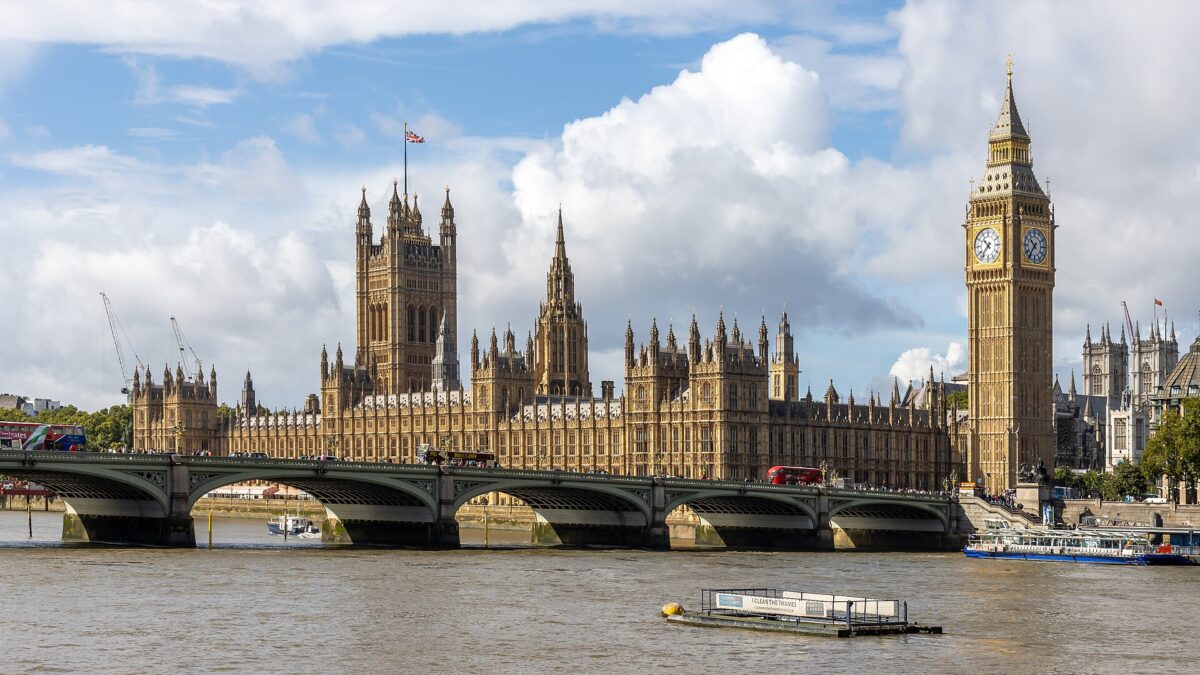
Twelve cannabinoids, including hexahydrocannabinol (HHC) and two forms of tetrahydrocannabinolic acid (THCA), are set to be brought under UK drug controls, subject to approval by Parliament. The change, as first reported by leafie, would amend the Misuse of Drugs Act 1971 so that the compounds take on the same legal status as cannabis, which is a Class B drug.
The draft covers ten semi-synthetic cannabinoids and two forms of THCA, a compound found naturally in the cannabis plant. It follows advice from the Advisory Council on the Misuse of Drugs (ACMD), which raised concerns about gaps in current law that sellers use to market cannabinoid products to the public.
Why THCA is included
THCA is not intoxicating in its raw form. When heated, for example by smoking or vaping, it converts into tetrahydrocannabinol (THC), the main intoxicating compound in cannabis. Home Office guidance states that THCA "as an isolated substance, in its pure form" would not be controlled under the 1971 Act.
According to leafie, that distinction has been used by some sellers. Concentrated THCA products have appeared on the UK market labelled as not for human consumption or not to be heated, while other brands have promoted extracts for brewing into tea, claiming gentle heating avoids conversion.
In a May 2025 report, the ACMD recommended controlling THCA-A and THCA-B alongside ten synthetic cannabinoids, saying they risk "causing health and social harms that are not captured by the current generic definition" of cannabis. The ACMD noted that THCA is easily converted to Δ9-THC by heat.
Industry concerns over CBD and hemp
The Cannabis Trades Association (CTA) accepts the need to regulate potentially harmful products but has warned of unintended consequences. In a statement to leafie, chief executive Marika Graham-Woods said there was "a considerable difference between selling a highly concentrated THCA isolate and a CBD product containing naturally occurring trace amounts of THCA".
The CTA’s concern centres on the exempt product provisions in the Misuse of Drugs Regulations 2001. One condition limits each controlled drug to no more than one milligram per component part. That is an absolute quantity, not a percentage of weight, and Home Office guidance generally treats the container, such as a bottle of CBD oil, as the component. Two products with the same concentration could therefore be treated differently depending on total quantity. The exemption is also not automatic, as products must meet other requirements, including on how they are administered and whether controlled substances can be recovered.
The CTA said bulk handling of hemp or cannabinoid extracts could involve substantial quantities of controlled substances even at low concentrations. It asked the Home Office to clarify how the controls would apply to naturally occurring THCA in finished products and across the supply chain, and called for any restrictions to be proportionate and backed by clear scientific evidence.
Where the draft stands
The government’s draft states that it expects no significant impact on the private, voluntary or public sectors, so no full impact assessment was produced. The proposed order includes an exception for the newly listed cannabinoids when they are contained in cannabis or cannabis resin. leafie noted this does not necessarily settle how they would be treated in processed extracts or finished CBD products.
An earlier draft was laid before Parliament on 14 September and withdrawn on 21 October. A revised version was introduced on 27 October. It is subject to the draft affirmative procedure, which requires approval from both Houses. The controls would take effect 28 days after the order is made.
leafie said it contacted the Home Office on 30 October about the impact on CBD and hemp businesses, industry consultation, the lack of an impact assessment and the reason for replacing the first draft. No response had been received at the time of publication.



Join the conversation
Be the first to have your say.
How do you think controlling cannabinoids like THCA and HHC under drugs law will affect CBD and hemp users and sellers in the UK?