 The
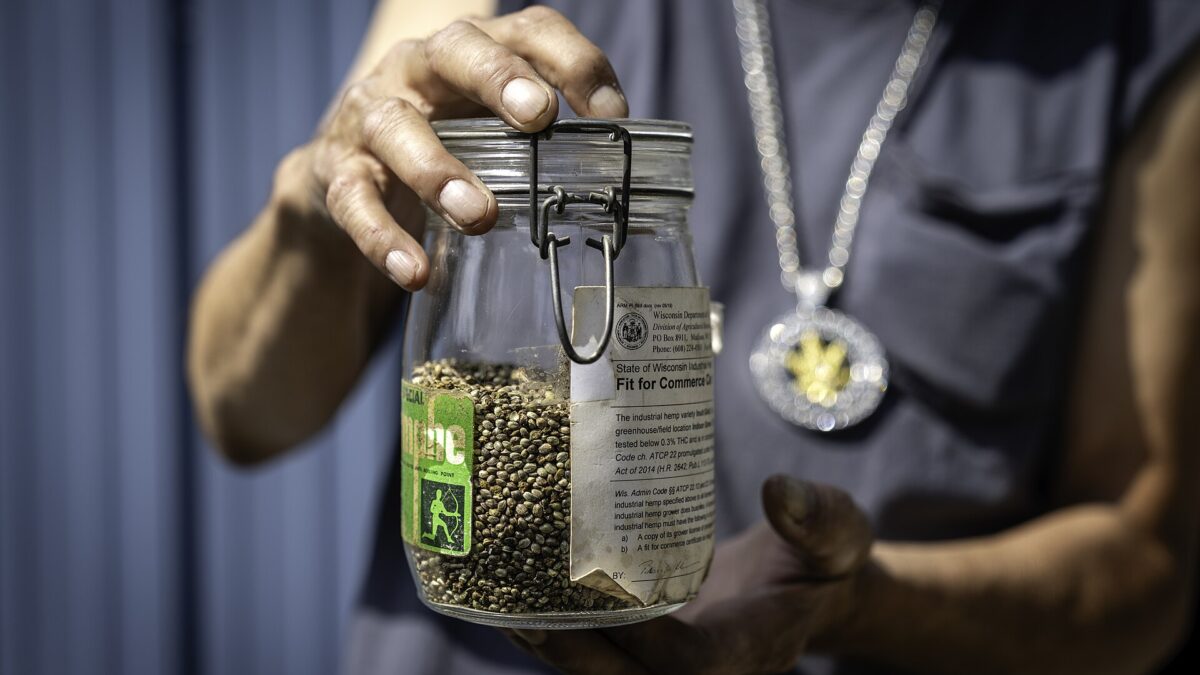
From 11 December, a cannabis seed sold in the United States will count as hemp only if the plant that produced it contained no more than 0.3% total THC, according to High Times. The change is likely to disrupt the American mail-order seed trade, with sellers already adjusting before any federal guidance on enforcement has appeared.
What is changing
The rule comes from Section 781 of the spending law passed last year to end the US government shutdown, which rewrote the federal definition of hemp. It excludes any viable seed from a cannabis plant above 0.3% total THC, counting THCA, on a dry weight basis. Congress approved a one-month delay in September, so the seed clause takes effect in December rather than November.
Until now, a seed counted as hemp if it was under 0.3% delta-9 THC, which almost all seeds are. Under the new test, seeds from plants above the limit are generally treated as marijuana under federal law, and shipping them across state lines could breach federal distribution laws. High Times reported that there is still no guidance on how the rule will be enforced.
Sellers respond
Herbies, an online seed marketplace, told High Times it does not test the parent plants of its seeds. Its head of public relations, Irene Burya, said the THC figures on its listings show the expected potency of a strain, not lab results. The United States accounts for about half of its sales. "We’re waiting to see how the rule will be applied before deciding what changes,” she said.
Another seller, Seeds Here Now, is counting down to a cut-off for US orders in the first week of December, after which they will become international orders. High Times noted that imports face their own controls, so shipping from abroad does not place seeds beyond federal reach.
Some businesses are turning to clones and tissue culture, which the statute does not mention. Brothers Grimm Seeds, a Colorado breeder, is launching a tissue-culture business in Oklahoma, its chief executive Laura Campanella told Cannabis Business Times. Whether clones would pass a total-THC test that counts THCA is, High Times said, an open legal question.
Customer survey
Herbies surveyed 432 US customers between 1 September and 12 October. Only 12.7% identified the parent plant as the measure used by the law, and 50.7% said they did not know. The survey was self-selected and unweighted, and Herbies has a commercial stake in the outcome, so it is not a measure of growers generally.
Herbies also said 47% of its US customers live in states where recreational home growing is prohibited, and that these buyers would find it hardest to replace seeds locally.
Why it matters in the UK
The change applies to US federal law only. In the UK, cannabis is a Class B drug under the Misuse of Drugs Act 1971, and growing it requires a Home Office licence, which is granted only for industrial hemp. The US move may nonetheless affect international seed sellers and breeders, some of whom ship worldwide.
The story was first reported by High Times, drawing on figures from Herbies and on reporting by Cannabis Business Times.

Join the conversation
Be the first to have your say.
How far should hemp and cannabis seed rules be tightened or relaxed, and what would a sensible UK approach look like?