 The
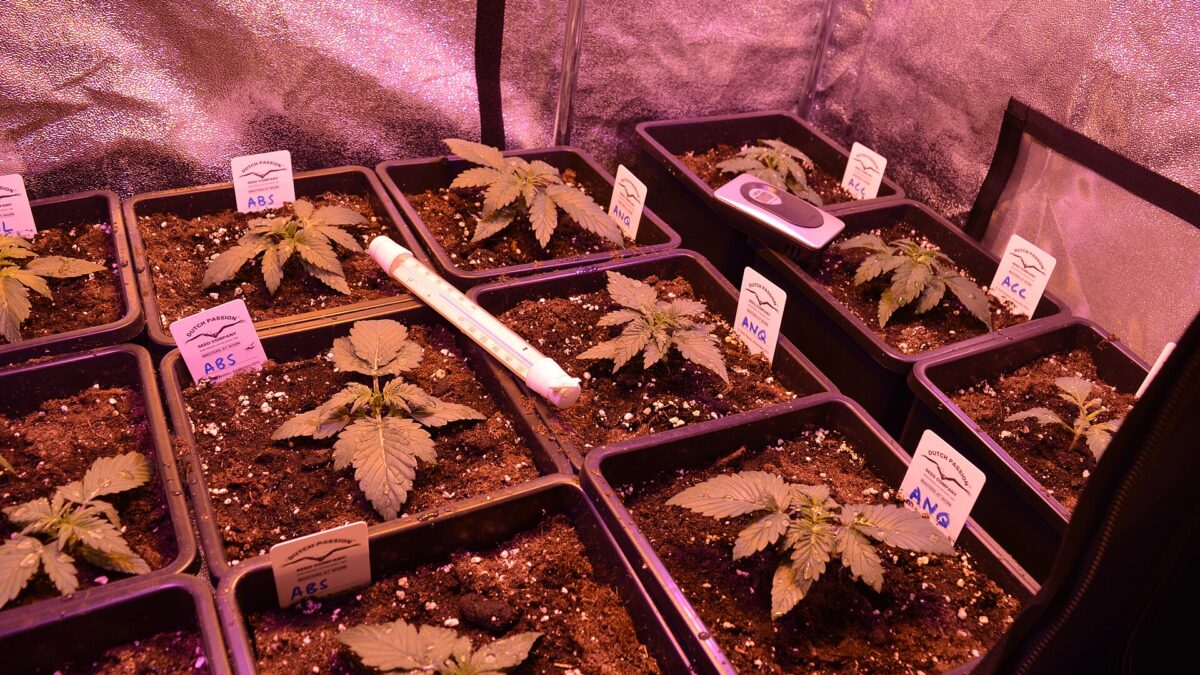
A 39-year-old man who admitted growing 57 cannabis plants at his Tyneside home will face a special hearing to decide whether the drug was for personal use or for sale, a court has heard. The case was first reported by ChronicleLive.
Benjamin Rudd, now of Beacon Rise, Gateshead, appeared at Newcastle Magistrates’ Court this week and pleaded guilty to producing a Class B drug. He entered the plea on the basis that the cannabis was grown for his own personal use.
What the court heard
The court was told that police attended Rudd’s then address on Northumberland Road, in Lemington, in October last year. Officers found 57 cannabis plants at the property, which were seized. Rudd was arrested.
Jade Houston, prosecuting, told the court that the Crown did not accept his account. She said the number of plants involved meant prosecutors disputed that the drug was only for his own use, and they maintain that some of the cannabis must have been grown for onward sale.
“We don’t accept the basis of plea,” Ms Houston told the court.
Newton Hearing ordered
District Judge Paul Currer said the dispute would have to be resolved before Rudd could be sentenced. He ordered a Newton Hearing, a procedure used when a defendant pleads guilty but the prosecution disagrees with the version of events on which the plea is based.
The judge told Rudd the court would have to decide the basis on which he would be sentenced, whether that was onward sale or personal use. He said the outcome “will make a material difference to sentence”.
Rudd was released on unconditional bail. The Newton Hearing is due to take place at North Tyneside Magistrates’ Court on 2 February.
Background
Cannabis is a Class B drug in the UK under the Misuse of Drugs Act 1971. Producing the drug is an offence, and sentencing can depend heavily on the scale of the operation and on whether the cannabis was intended for supply to others. That is why the question of purpose in this case is significant to the eventual outcome.
No sentence has yet been passed. At the hearing, the court will weigh the evidence on the reason the plants were being grown and then decide how to proceed.


Join the conversation
Be the first to have your say.
Should sentencing for cannabis growing depend on whether the plants were for personal use or for supply, and how should courts judge that?