 The
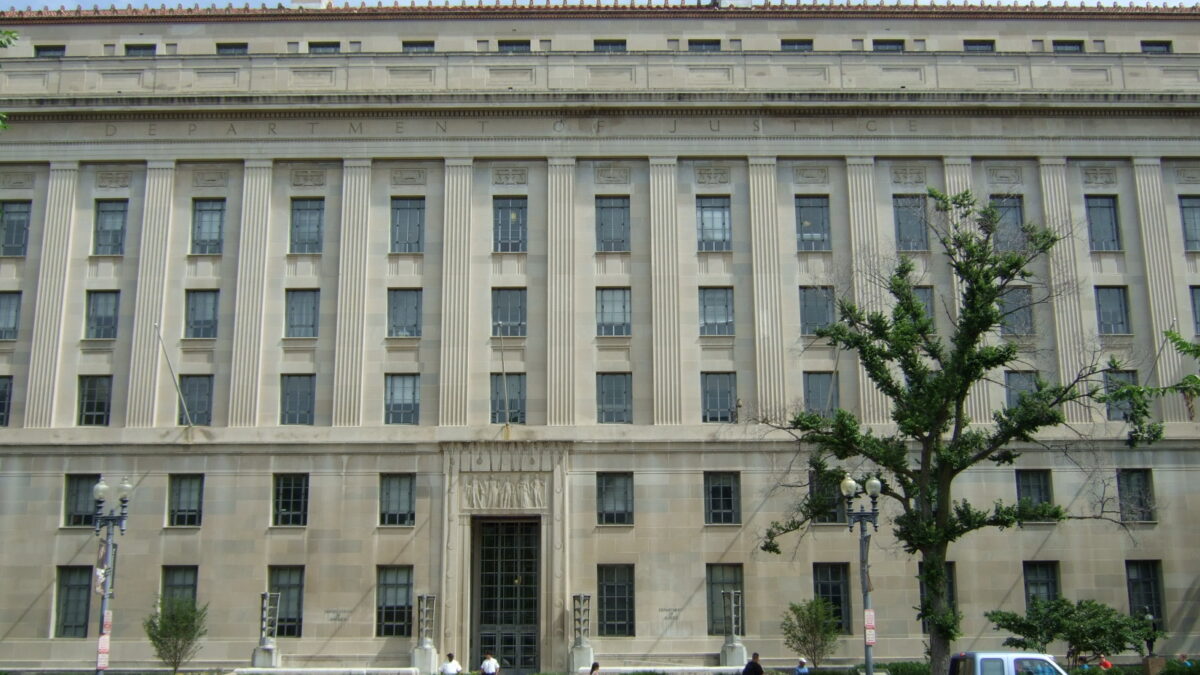
The National Congress of American Indians (NCAI) has said the Trump administration “failed to engage” in consultation with American Indian tribes when it drew up its plan to reschedule marijuana, and wants the policy rewritten or supplemented so that tribally regulated cannabis is covered. The claim was first reported by Marijuana Moment.
The NCAI is described as the oldest and largest national organisation of American Indian and Alaska Native tribal governments. Its members adopted a resolution on the issue at the group’s annual convention last month.
What the resolution says
The resolution demands that the US Department of Justice (DOJ) “immediately initiate Tribal consultation with Tribes engaged in the cannabis industry” on the scheduling of cannabis under the Controlled Substances Act (CSA) and how DOJ actions affect tribes.
According to the report, a final order signed in April by Attorney General Todd Blanche immediately moved marijuana products regulated under a state medical cannabis licence from Schedule I of the CSA to Schedule III. The NCAI says the order does not specifically mention tribes or tribally regulated medical cannabis programmes. It argues that, given its limited terms, the order may not cover tribal cannabis products, despite the wide range of medical cannabis products licensed by tribes. The resolution was previously noted by the law firm Vicente LLP.
The resolution also says the DOJ did not carry out tribal consultation as required by a Clinton-era executive order. It states that the department justified this by saying rescheduling does not have substantial effects on one or more tribes. The NCAI disputes that, pointing to the many tribes that engaged with the DOJ while the final order was being considered and that already regulate and license cannabis within their jurisdictions.
What the group wants
The NCAI is asking the DOJ either to amend the existing rescheduling order to include tribally licensed cannabis products, or to issue a separate rule “specifically rescheduling Tribally licensed cannabis and cannabis products from schedule I to schedule III”.
It also wants tribes to be specifically included in any further administrative action on cannabis, whether or not it involves the CSA or rescheduling, because of the number of tribes active in the industry.
Scale of the tribal cannabis sector
The resolution says the tribal cannabis industry has grown every year as more tribes use their inherent sovereign authority to regulate cannabis and cannabis products. Marijuana Moment reported that a map produced last year by the Indigenous Cannabis Industry Association with Vicente LLP found more than a quarter of Indigenous communities in the continental US are involved in marijuana or hemp programmes.
It also cited an estimate published last month by HedgeRow Analysis, which projected that Native American tribes taking part in the legal marijuana market could generate more than $2 billion (roughly £1.5 billion) in new revenue every year.
The report did not include a response from the DOJ to the resolution.
Why it matters in the UK
Cannabis remains a Class B drug in the UK under the Misuse of Drugs Act 1971, and specialist doctors have been able to prescribe cannabis-based medicines since 1 November 2018. US federal policy changes are watched closely by the international industry and by campaigners, though they do not alter UK law.



Join the conversation
Be the first to have your say.
Should governments be required to consult indigenous communities before changing national cannabis laws that could affect them?