 The

Many banks in the United States remain reluctant to serve state-licensed cannabis businesses, according to a new report from the federal Government Accountability Office (GAO), as first reported by Marijuana Moment.
The report, published on Tuesday, found that “obtaining and maintaining financial services remain difficult” for cannabis-related businesses. It also found no indication that any bank has been penalised solely for working with the industry. The GAO said a continuing perception of regulatory risk is a major factor.
Fees, closures and payment problems
The GAO held focus groups and interviews with industry operators, financial services providers, advocacy groups and federal agencies. Most cannabis industry participants had bank accounts, but they described problems including accounts closed with little warning and high fees.
Participants in seven of eight focus groups said they paid monthly or annual account fees, and two said they paid $100,000 or more a year. Participants in all focus groups with institutions that serve cannabis businesses said these customers were charged higher fees than others. Opening an account could take weeks or months, and a few businesses approached several institutions before succeeding.
Problems extended to loans, investments, payroll services, credit cards and electronic payments. The report said accepting customer payments is difficult largely because two major credit card companies prohibit cannabis purchases.
Workers in the industry were also affected. Two industry associations told the GAO that employees can face difficulty keeping bank accounts or getting car loans, mortgages or life insurance. In two of four focus groups with institutions that do not serve cannabis businesses, participants said they would offer personal banking to employees but not to owners.
Fear of penalties not borne out
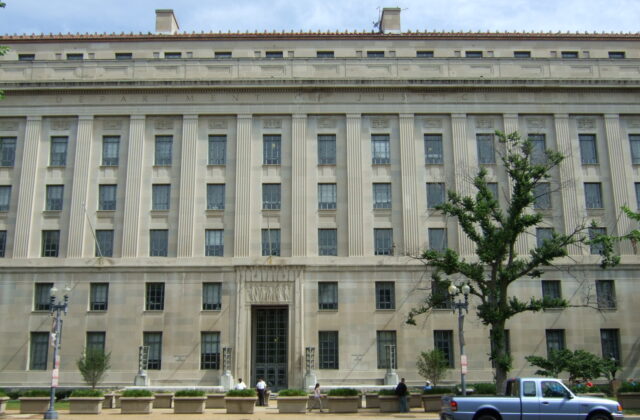
Financial institutions cited fears of adverse action from their federal regulators. The GAO said it found no sign that any institution had faced civil or criminal penalties solely for serving cannabis businesses. Federal banking regulators said they had taken no enforcement action on that basis alone. Department of Justice officials said their data systems could not easily identify such cases, so they could not say whether any institution had been investigated or prosecuted.
Banks also pointed to the workload and compliance burden. Under 2014 guidance from the Financial Crimes Enforcement Network (FinCEN), institutions must regularly file suspicious activity reports on cannabis customers.
FinCEN data shows the number of institutions reporting that they serve cannabis businesses rose between 2015 and 2024. About 1,000 banks and credit unions did so in 2024, which the GAO said was relatively small compared with the national total.
Proposed legislation
The review was requested by Senators Raphael Warnock, Elizabeth Warren, Tina Smith and John Fetterman. In June, members of both parties in the House and Senate refiled legislation intended to protect banks from punishment for providing services to cannabis businesses.
The GAO found differing views on its likely effect. Some participants thought a safe harbour law would lead institutions to begin serving the industry. Others said some would not change policy without further reforms, such as federal legalisation or lower Bank Secrecy Act compliance requirements.
The issue is relevant to UK readers because cannabis remains illegal under US federal law even where states have licensed it, and the report shows how that conflict affects a large legal market. In the UK, cannabis is a Class B drug under the Misuse of Drugs Act 1971.



Join the conversation
Be the first to have your say.
Should banks be more willing to serve legal cannabis businesses, including UK medical cannabis firms? Why?